
GLOE Clothing Size Guide: A Full Fit Breakdown

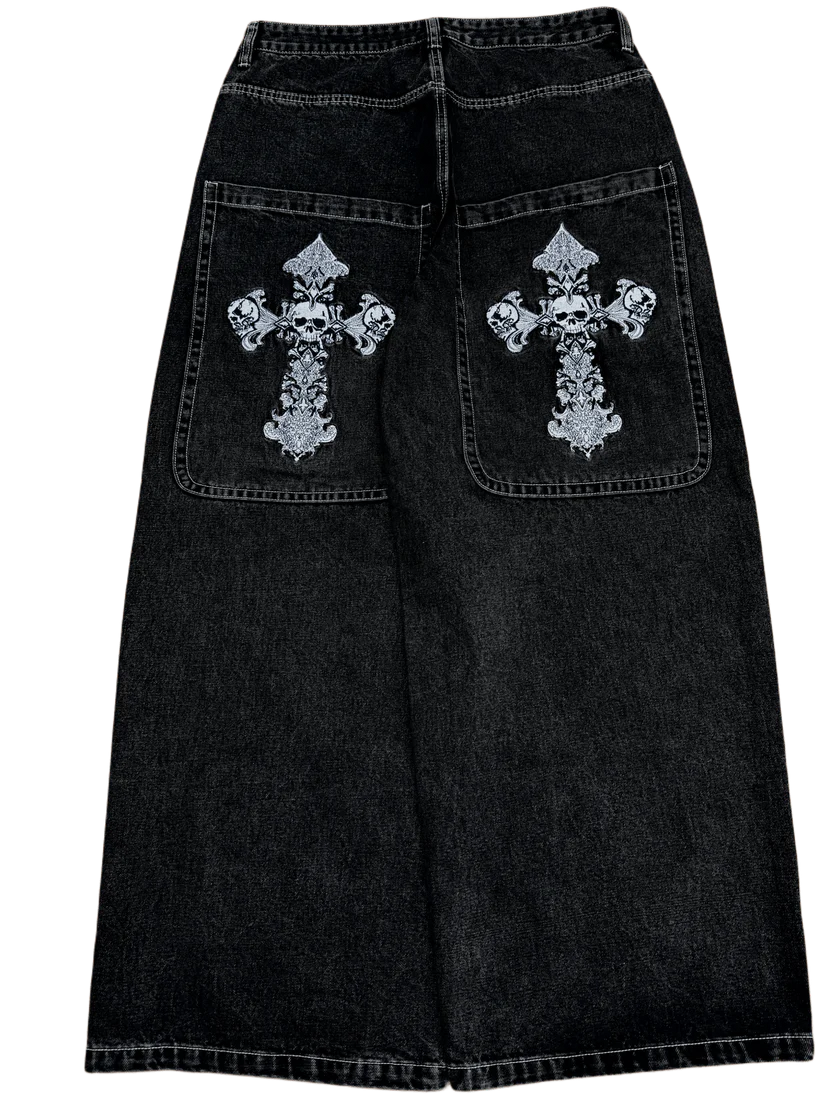
Nobody wants to open a parcel, try on the contents, and feel that small pang of disappointment when the fit is off. Sizing is the hidden craft behind every outfit that looks effortless, and it rewards anyone willing to spend ten minutes preparing before they order. When you shop with GLOE Clothing, a label focused on modern everyday wear, the smartest move is to treat the size guide as a tool for matching garments to your lifestyle, not just your measurements. A person who commutes by bike needs different things from a cut than someone who spends the day at a desk or out on the town. This breakdown covers how to measure your body, how to translate those numbers into a size, how to handle denim specifically, and how to troubleshoot an imperfect fit. Read it once, save the key figures, and your next order should feel like a confident decision rather than a gamble.
Why Fit Deserves More Attention Than Trends
Trends rotate quickly, but a garment that fits well keeps looking good long after the colour of the season fades. Proportion is what the eye notices first, long before it registers a logo, a wash, or a stitch pattern. A well-fitted piece drapes cleanly, follows your movement, and never needs constant tugging or adjusting through the day. Poorly fitted clothing does the opposite, creating pulled seams, awkward bunching, and a general feeling of restriction. Many people blame the item itself when the real problem is simply a size that did not match their frame or preferences. Learning to read your own body shape and comfort level changes how you evaluate every product you see. Once you trust your own numbers, scrolling through a store becomes faster, calmer, and far more rewarding.
The Four Measurements Worth Knowing
You do not need a tailor’s toolkit, only a flexible tape and a few quiet minutes. Begin with your chest, wrapping the tape around the fullest part and keeping it level across your back. Next, measure your natural waist, which sits above the navel at the narrowest point of your midsection. Then take your hip measurement around the fullest part of your seat, with feet together and posture neutral. Finally, measure your inseam from the top of the inner thigh down to the ankle bone, using a pair of trousers you like as a guide. Record all four numbers in the same note on your phone and label them clearly. Re-measure every few months, since bodies and preferences shift more than people expect. These figures become the backbone of every size decision you make from now on.
Understanding Ease and Why It Matters
Ease is the extra room between your body and the fabric, and it is the secret behind how a garment feels. A close fit has very little ease, hugging the body and showing its shape. A regular fit leaves a comfortable margin, allowing easy movement without looking baggy. A relaxed fit adds generous space, creating a softer, looser line that many people love for casual days. When a size chart lists garment measurements, subtract your body numbers from them and the difference reveals the amount of ease. If you like to move freely, aim for more of it, and if you prefer a sharper line, look for less. Fabric stretch also changes the equation, because flexible materials can feel comfortable with less spare room. Thinking in terms of ease helps you predict the feel of a piece before it ever arrives.
Getting Denim Right
Denim is the category where sizing mistakes show up fastest, because the fabric is structured and the cut is so defining. If you are exploring GLOE JEANS, focus on waist, rise, thigh room, and leg length together instead of obsessing over the waist alone. The rise decides where the waistband sits on your torso, which affects comfort when you sit, bend, or walk long distances. Thigh room matters for anyone with strong legs or a preference for a looser line through the upper leg. Leg length determines how the hem meets your shoes, whether you like a clean stack, a crisp break, or a cropped finish. Rigid denim usually loosens slightly with wear, while stretch blends tend to flex more from the first moment. Compare the garment measurements on the product page with your favourite existing pair, and let that pair be your benchmark.
Reading Product Pages Like a Pro
Every product page contains clues, and learning to spot them separates confident shoppers from hesitant ones. Start with the description, looking for language about the intended silhouette, such as slim, straight, tapered, or roomy. Check the fabric composition if it is listed, because a blend with some stretch behaves very differently from a stiff, heavier weave. Examine the photographs closely and note how the garment sits on the model, paying attention to the stated height and size worn if provided. Look at the hem, waistband, and cuffs, since these details influence both comfort and overall shape. If reviews are available, scan them for comments about fit, but treat them as individual opinions rather than universal truth. Combine all of this information with your measurements and your reference garment. Together, those layers give you a far clearer picture than any single data point.
Choosing When You Sit Between Sizes
Sitting between two sizes is annoying, but a few simple questions can settle the matter quickly. Ask yourself first whether the piece is meant to be worn snug or loose, because that sets the direction. If it is a structured item with little stretch, consider the larger size for comfort, especially if you tend to sit for long periods. If it is a stretchy or softer item that you want to look sharp, the smaller size may deliver a cleaner line. Think about what you will wear beneath it, since a thick base layer calls for extra space. Consider also how your weight and shape tend to fluctuate through the seasons. When the decision is truly a toss-up, choose the size that matches your reference garment more closely. That method is rarely wrong.
Quick Fixes for an Imperfect Fit
Even careful shoppers occasionally receive something that is almost right, and small adjustments can rescue it. A slightly long hem can be cuffed, rolled, or taken up by a local tailor in very little time. A waistband that sits a touch loose can often be tamed with a belt, which also adds a polished detail to the outfit. Sleeves that run long can be pushed up casually, creating a deliberate, laid-back look. Tops with extra volume can be half-tucked or knotted to define the waistline without changing the garment. Keep in mind that a tailor can handle many alterations affordably, so a good fit is often within reach. Knowing these tricks makes you less afraid of ordering and more willing to experiment with new shapes. Sometimes a tiny tweak is all that stands between a good piece and a favourite one.
Looking After Your Wardrobe Over Time
Maintaining fit is a long game, and your washing habits play a major role. Check the care instructions on each label and follow the recommended temperature, since heat is the most common cause of unwanted shrinkage. Wash dark items together and turn them inside out to protect the surface and reduce fading. Use a gentle detergent and avoid overloading the machine, which can stress seams and stretch fabric. Air dry whenever you can, and when you do use a dryer, keep the setting low. Fold denim and heavier items instead of hanging them for long stretches, which prevents distortion at the shoulders and waistband. Rotate your pieces so no single favourite wears out faster than the rest. These small routines keep garments looking sharp and fitting properly for far longer.
Conclusion
A good fit begins with four reliable measurements, a clear understanding of ease, and a habit of comparing numbers against a garment you already love. Reading product pages carefully and noticing fabric, cut, and styling cues removes most of the uncertainty from online shopping. Denim in particular rewards attention to rise, thigh room, and leg length rather than waist size alone. When you land between sizes, purpose and fabric should guide the decision, and simple alterations can handle the rest. Consistent care then protects everything you have chosen. Put these habits together and sizing stops feeling like a puzzle, becoming instead a skill that makes every purchase smarter.